

October 31
The last two months have flown by...

I completed a project I’ve been working on since the start of the year, had the opportunity to attend/volunteer at a local film festival, and have been observing the devastating effects of Hurricane Helene and Milton across the southeastern United States via news and social media.
Event(s)

2024 Charlotte Film Festival hosted by the Independent Picture House
Through the support of Arts & Sciences Council, Charlotte held it’s 16th annual film festival at the Independent Picture House.
The timing of the festival coincided with Hurricane Helene, during which my complex experienced an outage that lasted until the final day of the festival, however, I was fortunate to spend most of the outage in screening blocks; the Charlotte area was mildly affected in comparison to western NC.
I dropped the ball on taking notes this year, but I really was just thankful for being able to attend and enjoyed succumbing the films. The filmmakers in attendance for Q&A’s were gracious with their time and gave a peek into some of the brilliance that brought their projects together.
It was a really great time.
For a recap of CFF winners, click here.
Reading
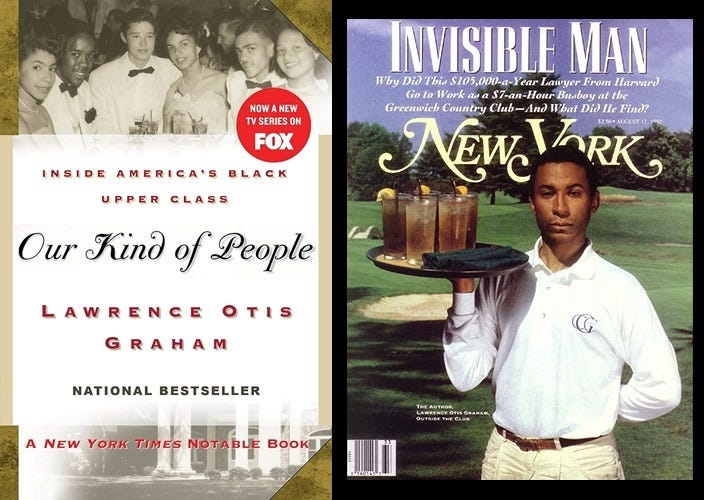
Our Kind of People by Lawrence Otis Graham
Author, attorney, and political analyst, the late Lawrence Otis Graham’s Our Kind of People is a fascinating peek into America’s elite, upper-class Black society. It’s been both filling in the gaps of one of my (screenplay) character’s backgrounds and will likely inform much of the world said character is in community.
Interestingly enough, one of the short film blocks at the CFF featured a project titled, The Debutantes. The film focused on cotillions, though not necessarily from the perspectives outlined in the Graham’s book.
However, in another short, Mr. Troy, spotlighting classically trained dancer Troy D. Brown, the lead mentions his grandfather served as the principal of [Paul Laurence] Dunbar High School, stating, “If you know, you know.”
Prior to Graham’s book, I wouldn’t have known. But I do now have a better understanding of Dunbar High School, its esteemed faculty, and its significance from the 1900s through the 1940s.
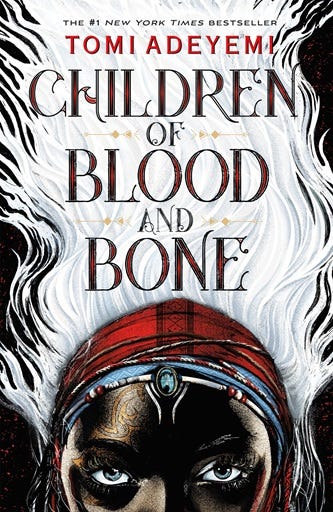
Children of Blood and Bone by Tomi Adeyemi
It’s always been a struggle to find visual stories [Film & Television] in the sci-fi/fantasy/supernatural genres featuring predominantly Black casts - Lovecraft Country; The Woman King; They Cloned Tyrone - which led me to Tomi Adeyemi’s Children of Blood and Bone.
Adeyemi’s work has both satisfied the itch, but is also now in development with writer/director Gina Prince-Bythewood(Love & Basketball; The Secret Life of Bees; The Old Guard; The Woman King) attached as director for a feature-length adaptation.
Also worth mentioning author Nnedi Okorafor’s Who Fears Death? is also in development at HBO.
Theatre

The Lion King at Blumenthal Performing Arts Center
The Lion King was by far my most grand theatre experience to date, which is no surprise (Disney IP) since it’s been performed worldwide since 1997.
Drummers were spread throughout each mezzanine level, dancers paraded down the aisles, while performers on-stage carried out musical numbers. It was immersive and captivating, and probably my first rewatch of the The Lion King (story) since grade school.
To that, never realized how much I enjoy Scar’s musical number, Be Prepared. Villains always have great emotional pieces, underscoring the necessity to create antagonists equally (if not greater) to their protagonists; more villain numbers/scores - Anastasia, In The Dark of The Night; Creed, Pretty Ricky Conlan; Conan the Barbarian, Thulsa Doom
Feature(s)
Sing Sing written by Clint Bentley & Greg Kwedar; dir. by Greg Kwedar
From theatre to theater, Sing Sing is an incredible film based on the incarcerated men of Sing Sing Correctional Facility’s theatre program.
The film’s lead, Colman Domingo, and producers used an “equitable profit-sharing budget model,” which is really new to me in regards to filmmaking. The closest other example I can think of being the Green Bay Packers, a publicly traded, non-profit organization.
Everything about this project is just truly unique from the formerly incarcerated members of the program making their silver screen debuts to the cast + crew retaining lifetime ownership of their story, something they can pass on, should they so choose. Please note, I do not know nor understand heirs’ rights as it pertains to general (state by state) copyright laws.
More importantly, it’s amazing to watch the actors onscreen transition between acting on camera and acting for the stage, all while actually learning to act on camera real-time.
It really nails the elements of metacinema not only by definition, but textually within the scenes and exchanges captured between Colman Domingo and Clarence Maclin.
Nothing is created in a vacuum, and this film is proof of that, yet at the same time like catching lightning in a bottle. Which, honestly, is the case for so many narrative projects.
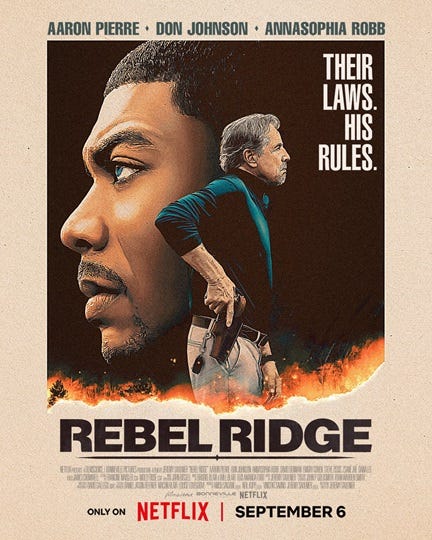
Rebel Ridge written & dir. by Jeremy Saulnier
Rebel Ridge is my type of action movie - a slow burn, with a character pressed for time in a vise grip; think Training Day.
Except, director Jeremy Saulnier (Murder Party; Blue Ruin; The Green Room) approaches the genre with an intention and consciousness of the protagonist’s race. He’s a gifted filmmaker, and this project is another excellent look at Americana’s underbelly.
So well does it capture extremely subtle, contemporary forms of prejudice, which immediately escalate to racism when backed by a power structure - The protagonist is made both the victim of a crime and then subjected to unconstitutional treatment, all of which is written into statute and enforced by local law.
The lead, Aaron Pierre (The Underground Railroad; Brother; Genius: MLK/X), is clearly a star - cast as Mufasa in Mufasa: Lion King and DC Comics’ Green Lantern - but Don Johnson is also deserves just due for the nuance of his villainy.
Johnson has played a racist law enforcement officer before (HBO’s Watchmen), but his version in Rebel Ridge is less George Wallace [former governor of Alabama], more Bull Connor. And when you put a young, talented player onscreen with a veteran professional, you get some electric scenes.
Documentary
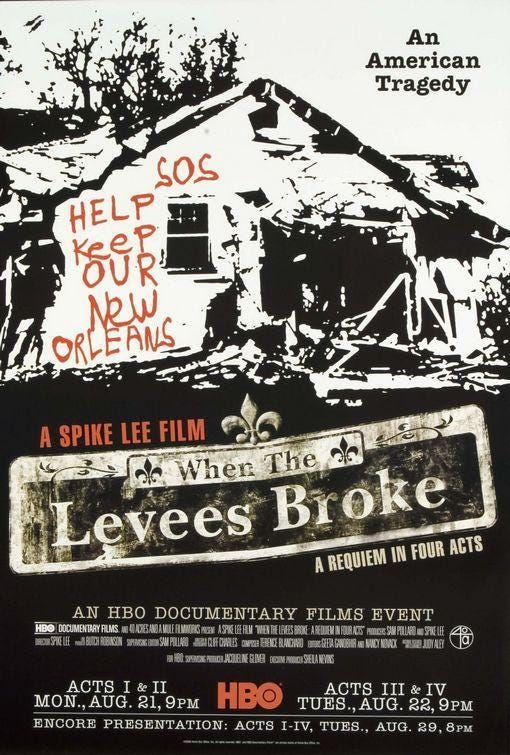
When The Levees Broke dir. by Spike Lee
This was a difficult watch. It’s good to say I’ve finally seen it.
Spike Lee is a masterful filmmaker and his documentary work deserves as much praise as his narrative projects, but this is far from fiction.
From the sheer number of interviewees - New Orleans residents - and length of their testimonies, Lee no doubt spent an extensive amount of time documenting the aftermath of Hurricane Katrina.
From the delayed responses of local, state, and federal agencies to news reports labeling people as refugees and looters to the devastation of its natural resources by private industry and the government. It’s difficult to sum up the tremendous amount of loss, pain, and trauma of the people of New Orleans at the time of filming (or today).
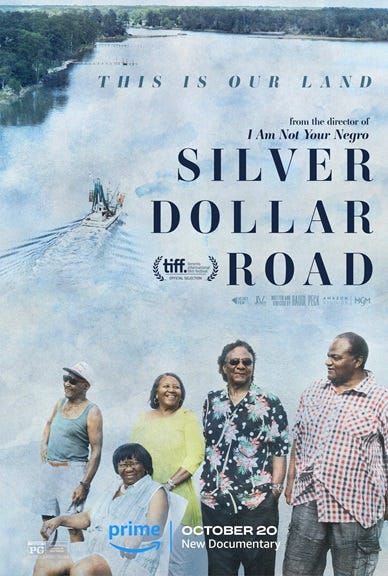
Silver Dollar Road dir. by Raoul Peck
The residents of Louisiana are land rich, but cash poor, a challenge the families and heirs of Silver Dollar Road (Beaufort, NC) also face.
Unike New Orleans, Silver Dollar Road, once undesirable, is a privately owned waterfront community under threat of developers in the tourism industry.
Writer/Director Raoul Peck documents history of the Reels family - veterans, commercial fisherman, civil servants - as they fight to retain their land but are rapidly being outpriced.
Peck frames the challenges in reaching equity through systems inherent with theft, be it land or bodily autonomy, and the communities left bereft.
Land theft is more at the front of my mind these days, particularly regarding Indigenous/First Nations people. I’ve only just begun to read up on it, but I’m aware now more than ever how land restoration and civil rights intersect.
“Joe Buffalo” / Surviving the Horror of Residential Schools by Skateboarding dir. by Amar Chebib (The New Yorker)
Short Film(s)
Violet (1981) dir. by Shelley Levinson
Directed by Shelley Levinson, Violet, based on the late Doris Betts’ short story, The Ugliest Pilgrim, won the 1981 Academy Award for Best Short Film.
The story’s protagonist, Violet Karl, travels from Spruce Pine (NC) to Oklahoma in hopes of meeting a televangelist that will cure her.
This was a timely find and introduced me to Betts, an acclaimed writer, as well as more of the rich history of NC writers. Look forward to reading Beasts of the Southern Wild, a collection of shorts containing the The Ugliest Pilgrim, in Betts’ voice and style.
Commercial
Ms. Kristal (of Tar Heel School) - NC Education Lottery
That’s my cousin (Cathy) on TV!
Music Video(s)
Soul Food - Goodie Mob
Going through my hard drive, there were a lot of albums from when I was digging through the hip-hop crates in college, one of which was Goodie Mob.
My older cousin (Mc; pronounced “Mick”) and brother were fans, and I always remember the album cover for Still Standing. The B&W artwork just looked old, yet it was a CD album cover with the familiar sounds of the organs and keyboards we heard in church, but melodies unlike any hymns. Timeless work.
Black Ice (Sky High) - Goodie Mob
Cell Therapy - Goodie Mob
A Tale of God’s Will (A Requiem For Katrina) by Terence Blanchard
Visual Art
Skating The Wreckage of Hurricane Milton - Jenkem Mag
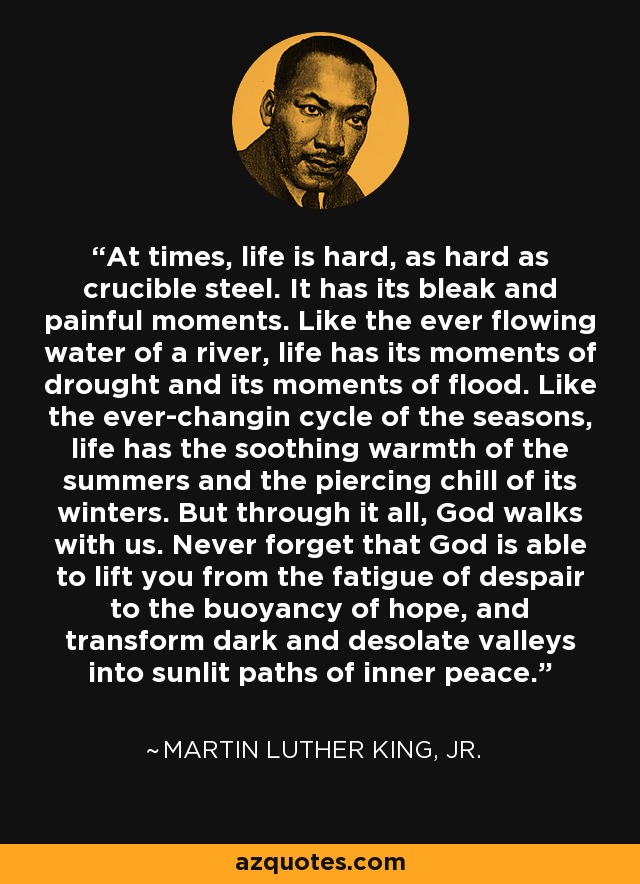
The woman’s message at the end of the clip reminds me of a quote from Rev. Dr. Martin Luther King, Jr., delivered during the eulogy of Addie Mae Collins, Carol Denise McNair, and Cynthia Diane Wesley, three of four victims of the 16th Street Church Bombing; Carole Robertson was the fourth.
This is the first post positioning skateboarding within (or adjacent to) concrete historical text.